
Kurdistan Mountaineering and Climbing Federation (KMCF) is an authorized Organization from Kurdistan Regional Government (KRG), founded in 2006

Mountaineering

Rock Climbing
Hiking
Camping
Expedition

Rafting and Kayaking

Air Sports

Caving

Mountain Biking

Skiing

Canyoning

Via Ferrata
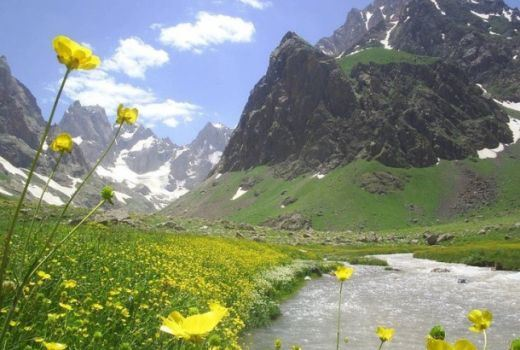
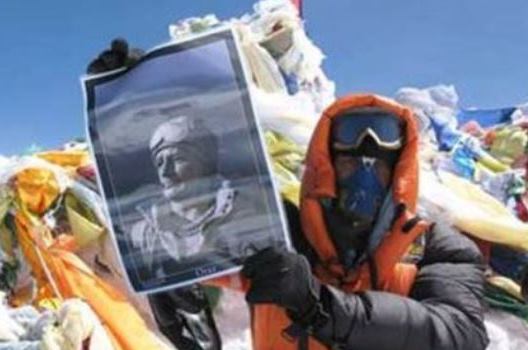
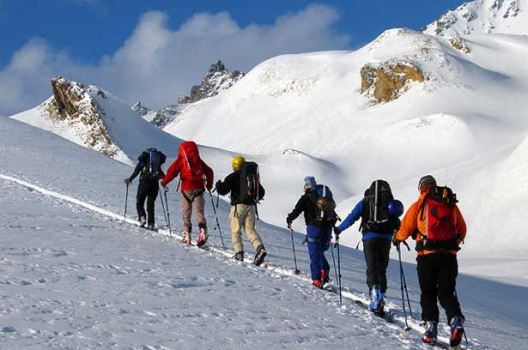
Mountaineering in Kurdistan
About KMCF
Kurdistan Mountaineering and Climbing Federation (KMCF) is an authorized Organization from the Kurdistan Regional Government (KRG), founded in 2006 to make a standard infrastructure for outdoor activities and special Mountaineering and Climbing in the Kurdistan Region. With different fields of activities which members are Kurdistan Regional government's citizens that focus on introducing, developing, and regulating Mountaineering and Climbing activities in the area. As well as it includes all Teams, groups, and Clubs related to each field in the rest of the region.
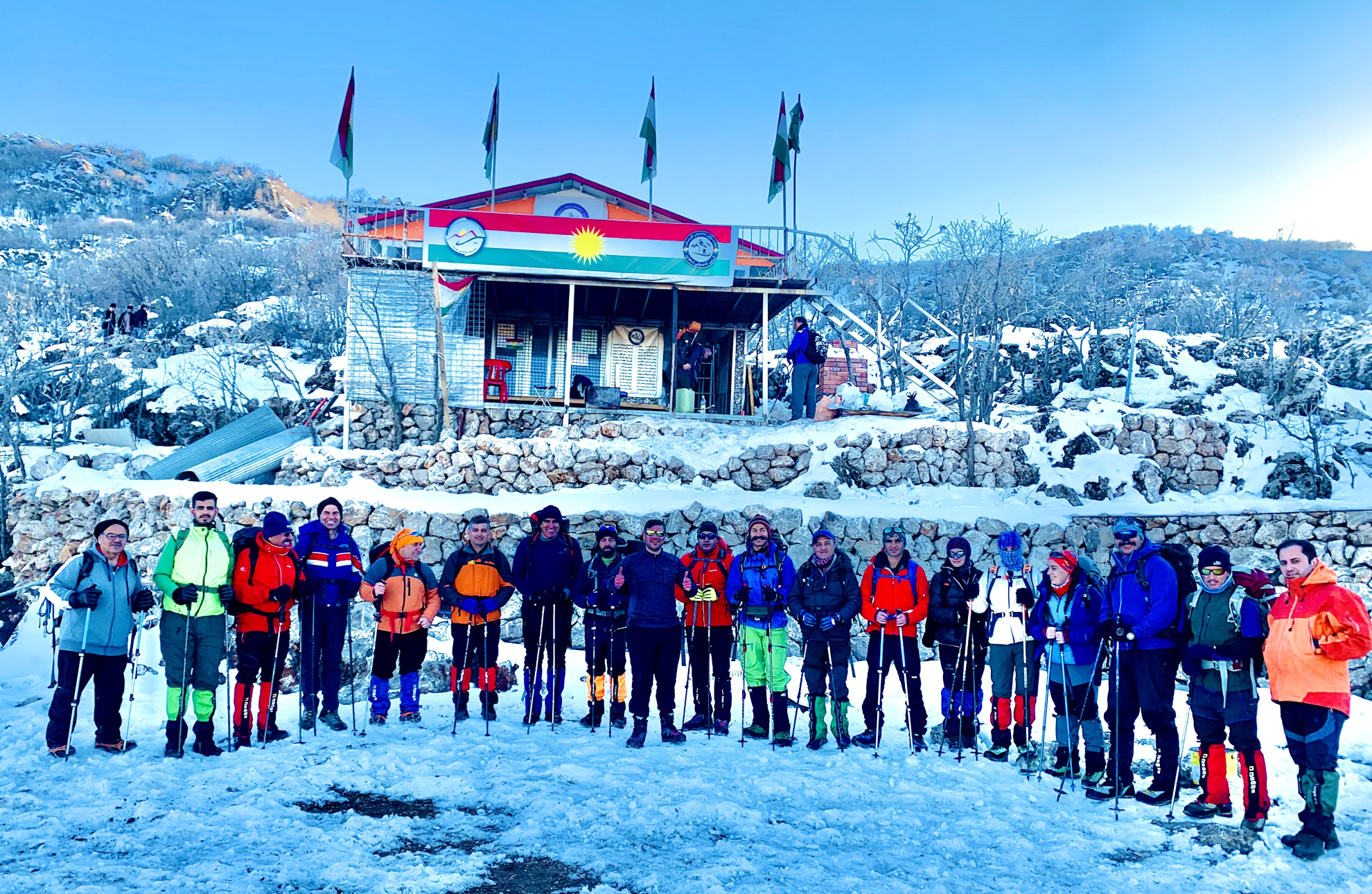
KMCF Offices
The Federatio's headquarters is in Erbil, the capital of Iraqi Kurdistan.
For greater coordination and efficiency, in most areas where there are more mountaineering activities, there is an office and a Mountaineering board selected from the active groups being which execute the plan and programs of the Kurdistan Mountaineering & Climbing Federation.
Board of Regions
The boards of the provinces and regions are selected periodically for 4 years.
the number of members is related to the number of active groups in the area and its change from 5 to up. when the board of province or region is set up, then they will select the executive board and head of the KMCF office.
Groups
The Mountaineering groups are infrastructure building blocks of KMCF activities.
A group of experienced mountaineers can ask to set up a mountaineering group with some rules and conditions that KMCF will ask them and they are free in their daily activity plan and program according to the standards of KMCF.
KMCF Members
All the permanent group members are known as KMCF members.
Official members of groups can benefit from some facilities and advantages of KMCF like a training course, discounts for services, and official support during their activities and when they need it like expedition travels and facilities for getting visa and permission.
На нашем сайте вы найдете [url=https://www.elitnaya-dvukhyarusnaya-krovat.ru/]двухъярусные кровати премиум класса[/url], которая идеально подойдет для стильного и комфортного оформления вашей спальни.
Премиальная двухъярусная кровать давно завоевала популярность среди тех, кто ценит комфорт и стиль в интерьере. Такие кровати создают уют благодаря премиальному качеству и современному внешнему виду. В современном мире покупка такой кровати подчеркивает престиж владельца.
Дизайн такого изделия часто включает в себя богатую отделку и современные элементы . Благодаря этому данная мебель прекрасно сочетается с различными стилями интерьера . Также такие кровати отличаются практичностью и стойкостью к износу .
Особую популярность приобретают модели с дополнительными функциями, такими как встроенные шкафы или рабочие зоны . Они идеально подходят для небольших помещений благодаря компактности . Благодаря этому кровати могут служить не только для сна, но и для храненя и работы.
Качественные материалы и кропотливая ручная работа — залог высокой стоимости таких кроватей . В результате они способны выдерживать значительные нагрузки и постоянное использование. В магазине представлен широкий ассортимент моделей для различных интерьеров и размеров комнат .